Standardised Extracts vs Ratio Extracts: The Difference That Costs You
Two lines on a supplement label can look almost identical and mean completely different things. This is the distinction most worth learning.
What a standardised extract is
An extract processed and tested so that a specified percentage is a named compound. "Turmeric extract (95% curcuminoids), 500 mg" means 475 mg of curcuminoids. The arithmetic is available to you because the manufacturer committed to a number.
What a ratio extract is
An extract described by how much raw material produced it. "Turmeric root extract 4:1, 500 mg" means four units of dried root were concentrated into one unit of extract.
Notice what is missing: any statement about the active compound. A 4:1 ratio tells you about the manufacturing process, not the contents.
Why this matters more than it sounds
Raw turmeric root is roughly 2 to 5% curcuminoids by weight. Concentrate it fourfold and you might reach 8 to 20% — but that assumes the process concentrates curcuminoids proportionally, which depends on solvent, method, and plant material.
So 500 mg of a 4:1 turmeric extract might deliver 40 to 100 mg of curcuminoids. The same 500 mg standardised to 95% delivers 475 mg. Same weight on the label, potentially a tenfold difference in what you are actually taking.
Ratio extracts are not fraudulent
Worth saying clearly. They are a legitimate and long-established format, particularly in traditional herbal preparations where the whole extract matters rather than one isolated compound. Standardisation also has critics who argue it over-focuses on a single marker compound.
The problem is not the format. It is the format appearing on a product whose marketing rests entirely on research conducted with standardised doses of a specific compound.
The mixed-label pattern
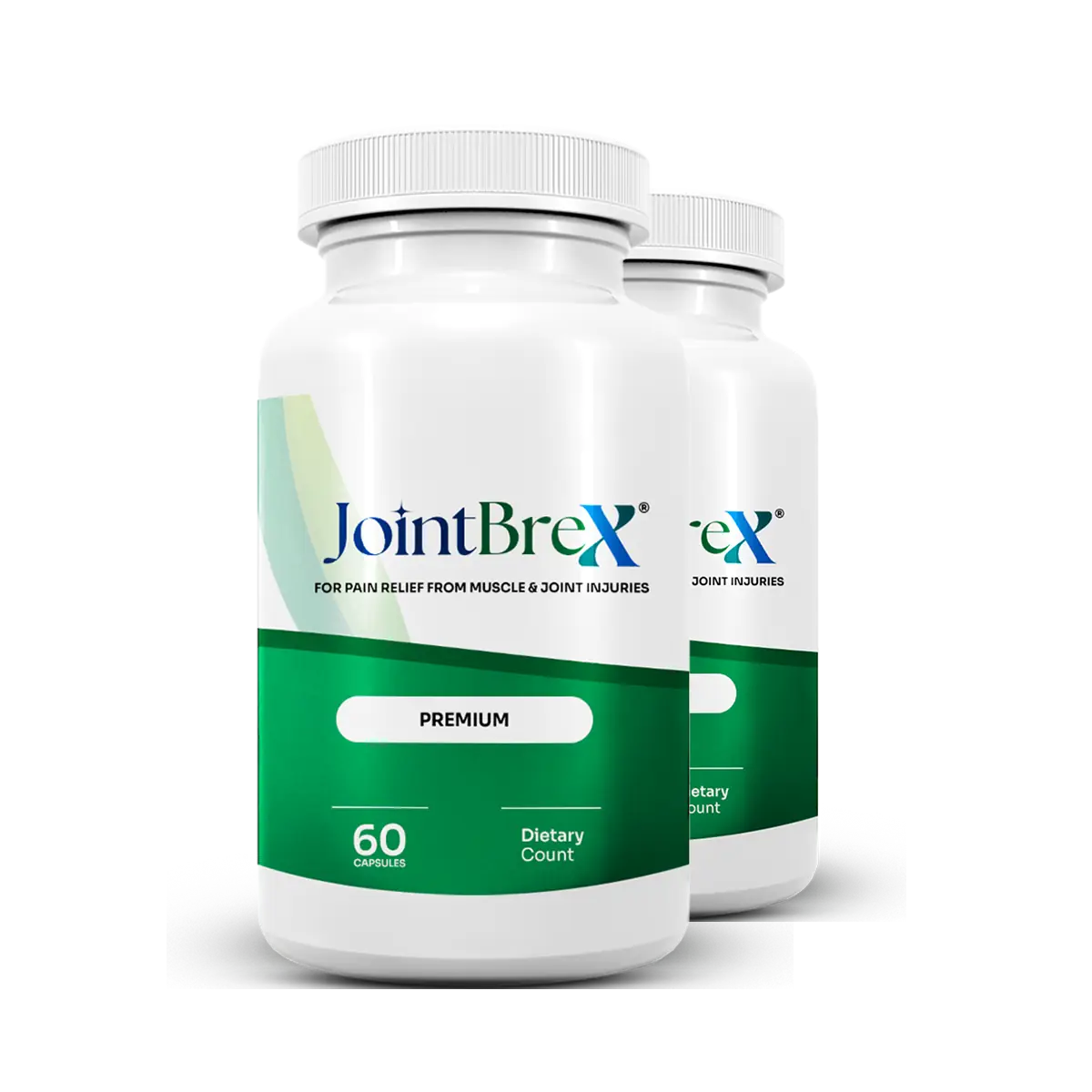
Some products list both, as JointBrex does — a 4:1 extract at 75 mg alongside a 95% standardised extract at 30 mg. The standardised portion can be calculated; the ratio portion cannot. The combined weight of 105 mg reads more impressively than the 28.5 mg of curcuminoids you can actually verify.
How to read either in ten seconds
- Look for a percentage and a named compound. If present, multiply and you have your answer.
- If you see only a ratio, treat the active content as unknown and assume the lower end.
- If a product lists both formats, calculate only the standardised portion. That is the number you can defend.
- Compare that verified figure against the doses used in the research that made you interested.
Sources
Work Out What It Costs You Per Day
Kit price divided by days of supply is the only figure that lets you compare this against anything else on the shelf. Our pricing page runs that arithmetic for all three kits and lists the conflicting numbers we found.
See the Cost Breakdown →