Exercise vs Supplements for Knee Pain: An Honest Comparison
If you spent the price of a six-bottle supplement kit on physiotherapy instead, the evidence says you would come out ahead. That is worth sitting with.
The evidence gap is not close
Exercise therapy for knee osteoarthritis has been tested in a large number of randomised trials and appears in essentially every clinical guideline as a first-line recommendation. Supplement research in the same condition is smaller, shorter, more often industry-funded, and frequently uses surrogate measures.
These are not comparable bodies of evidence, and any honest comparison has to start there.
Why exercise works when it feels wrong
The instinct with a painful joint is to rest it. For osteoarthritis, prolonged rest generally makes things worse — muscles weaken, the joint carries more load directly, and function declines.
Strengthening the muscles around a joint reduces what the joint itself absorbs. For knees that mostly means quadriceps and hip musculature. Improved function and reduced pain follow from mechanics rather than from anything ingested.
Weight, where relevant
Body weight translates into multiplied force through the knee during walking and stair climbing, so modest reductions have effects out of proportion to the number on the scale. There is an inflammatory dimension too, since adipose tissue produces inflammatory mediators.
The cost comparison
A six-bottle supplement kit costs a few hundred dollars and lasts six months. A handful of physiotherapy sessions costs a similar amount and produces a programme you keep using indefinitely, tailored to your specific joint and your specific weaknesses.
One of those is a consumable. The other is a skill.
Where supplements can still fit
This is not an argument that supplements are worthless. Properly dosed curcumin has interesting evidence. Glucosamine and chondroitin are contested but safe and some people are convinced by them.
The argument is about order. Supplements are a marginal addition to a foundation, and they work poorly as a substitute for one. Someone doing the exercise and adding a supplement is in a reasonable position. Someone taking a supplement instead of the exercise has bought the least effective option available.
Why the order usually goes wrong
Supplements are easy, private, immediate, and heavily marketed. Exercise is effortful, sometimes uncomfortable at first, and nobody runs advertisements for it. That asymmetry explains the sales figures better than the evidence does.
A reasonable plan
Get a diagnosis. Ask about a physiotherapy referral or an exercise programme appropriate to your joint. Address weight if relevant. Then, if you still want to add a supplement, choose one whose label you can actually cost, and tell your doctor you are taking it.
Sources
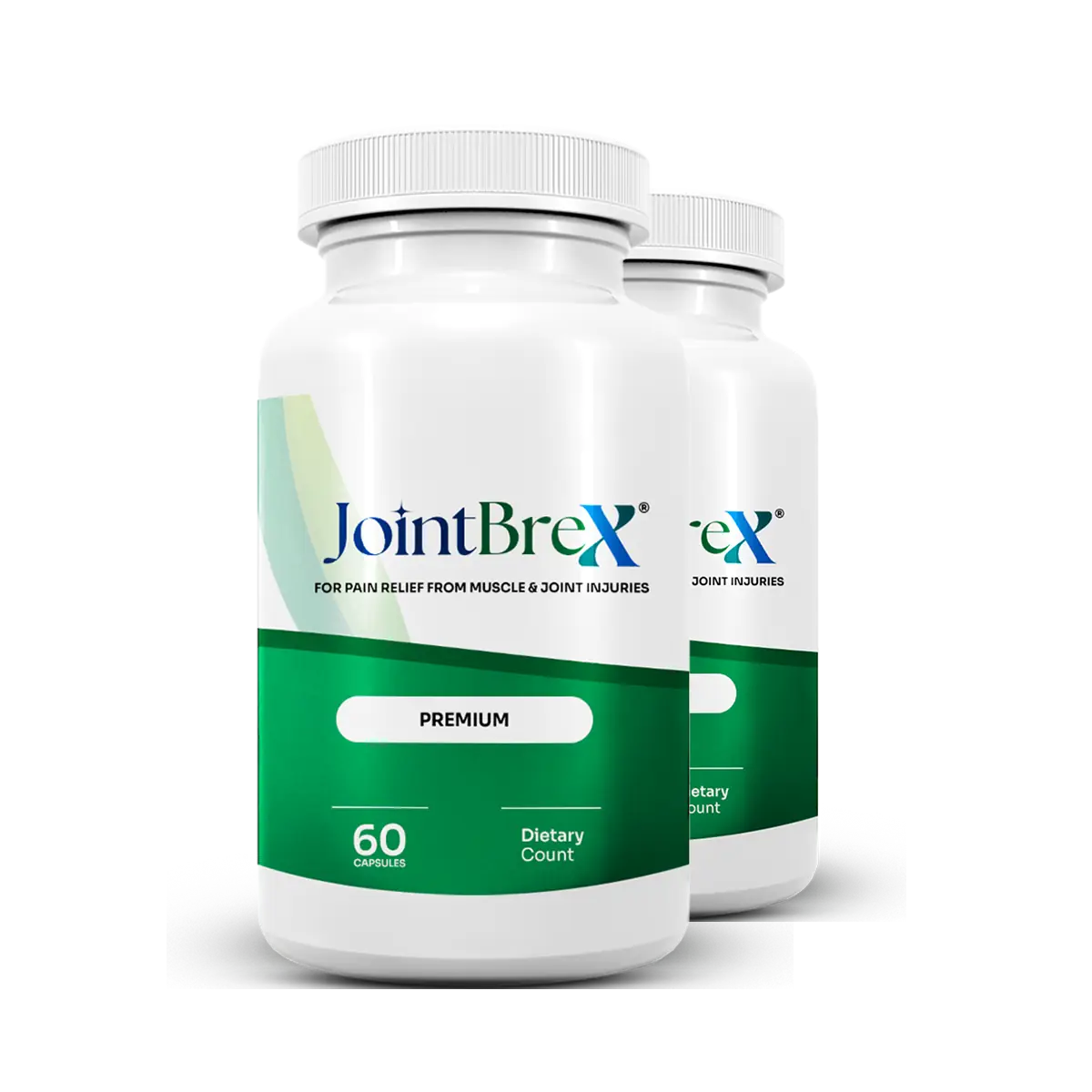
Work Out What It Costs You Per Day
Kit price divided by days of supply is the only figure that lets you compare this against anything else on the shelf. Our pricing page runs that arithmetic for all three kits and lists the conflicting numbers we found.
See the Cost Breakdown →