Why So Many Turmeric Supplements Underdeliver
Turmeric is one of the more promising things in the supplement aisle, which makes the gap between the research and the shelf especially frustrating.
The research is genuinely encouraging
Curcumin has been tested in knee osteoarthritis across a number of randomised trials, with several reporting reductions in pain and stiffness scores. A few compared favourably against NSAIDs on symptom measures with fewer gastrointestinal complaints, which is a result worth taking seriously.
The mechanism supports it: curcumin interferes with NF-κB signalling and other inflammatory pathways, and osteoarthritis has a real inflammatory component.
The doses those trials used
Generally 500 to 1,500 mg of curcuminoids daily, often divided, and frequently using formulations engineered to overcome absorption problems. That is the benchmark for any turmeric product claiming joint benefit.
Four ways products fall short of it
Turmeric powder instead of extract. Raw turmeric is around 2 to 5% curcuminoids. A 500 mg powder capsule might deliver 10 to 25 mg. It says turmeric on the label and it is turmeric, but it is not the intervention the research tested.
Ratio extracts without stated actives. A "4:1 extract" gives no curcuminoid figure at all. See our piece on the difference.
Small standardised amounts. Thirty milligrams of a 95% extract is technically standardised and genuinely tiny at 28.5 mg.
No absorption enhancer. Curcumin taken alone is poorly absorbed. Omitting piperine or an equivalent wastes most of whatever dose is present.
The absorption story cuts both ways
Piperine genuinely helps — the well-known 1998 study found roughly a twentyfold bioavailability increase, and formulations ignoring this are throwing away most of the capsule.
But absorption enhancement is a multiplier on the dose you took, and it has become a way to market small doses as sufficient. Twenty times 30 mg does not equal 500 mg of a plainly dosed product, and no delivery technology substitutes for putting enough in.
The check that sorts the shelf
Find the standardisation percentage, multiply by the extract weight, multiply by servings per day. If the result is an order of magnitude below 500 mg, the trials that made you interested in curcumin were testing something quite different from what you are holding.
Why the market looks like this
Standardised curcumin is more expensive than turmeric powder, and 500 mg of it takes up meaningful capsule space. Small doses are cheaper to produce, easier to fit alongside other ingredients, and — because a label saying "turmeric extract" is technically accurate at any amount — carry no obvious penalty.
And a caution against overcorrecting
More is not automatically better or safer. Concentrated curcumin increases bleeding risk with anticoagulants, can affect drug metabolism, is not advised with gallstones, and has rare associations with liver injury — more often with high-absorption formulations. If you want a properly dosed product, that is worth a pharmacist conversation rather than a solo decision.
Sources
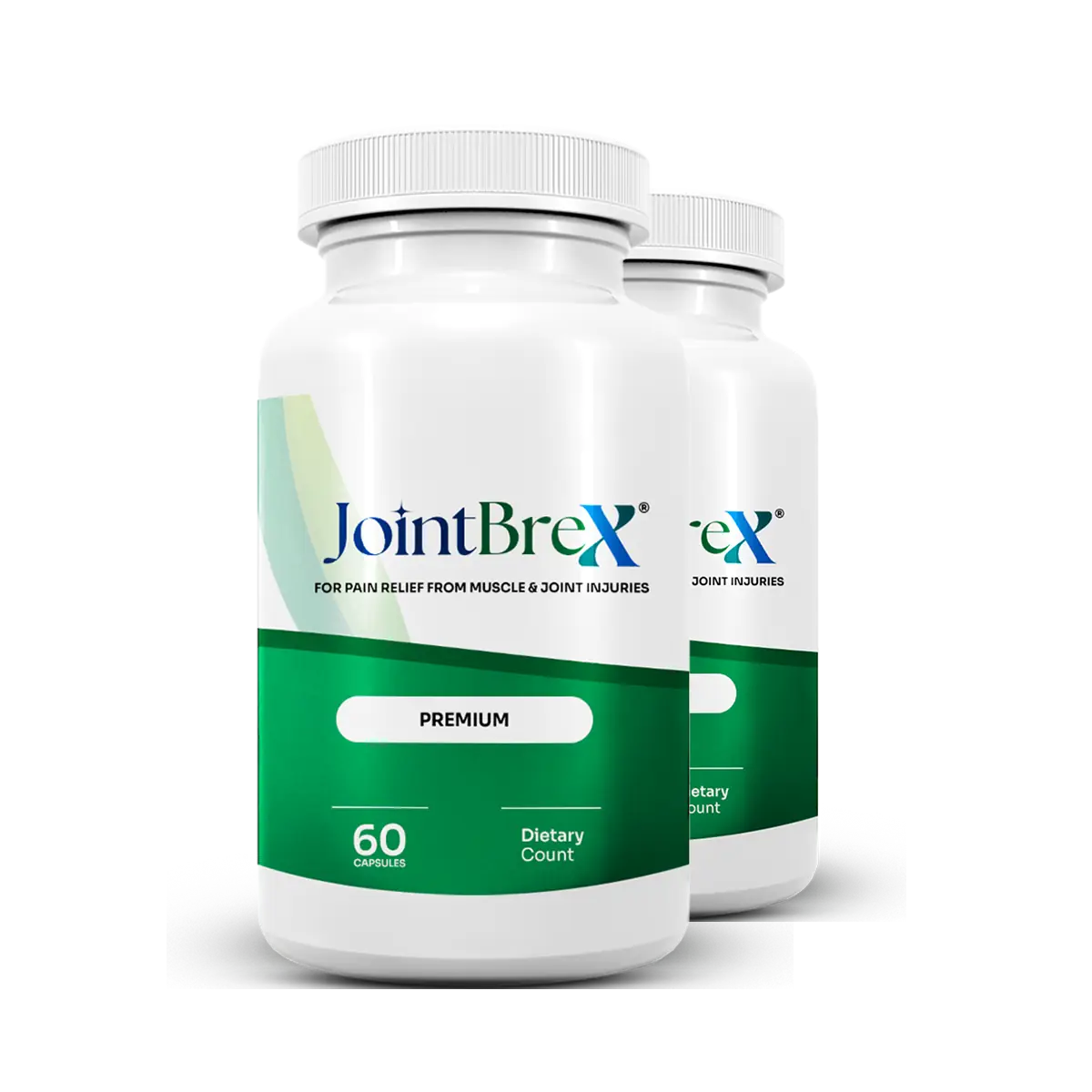
Work Out What It Costs You Per Day
Kit price divided by days of supply is the only figure that lets you compare this against anything else on the shelf. Our pricing page runs that arithmetic for all three kits and lists the conflicting numbers we found.
See the Cost Breakdown →